Introduction: Automating Precision Electrical Interfaces
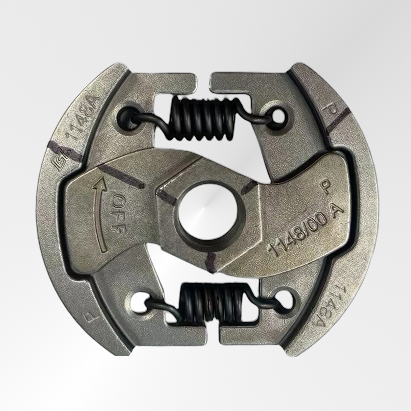
Transferring signals between stationary and moving parts requires a flawless electrical interface. In slip ring manufacturing, minor defects like bakelite cracks or glue overflow can severely degrade motor performance and compromise final assembly quality. Recognizing the limitations of labor-intensive manual checks, UnitX integrated an advanced AI visual inspection system. This deployment provides a highly repeatable, real-time sorting process that easily adapts to shifting production demands.
The Challenge: Mixed Materials and Changeover Pressure
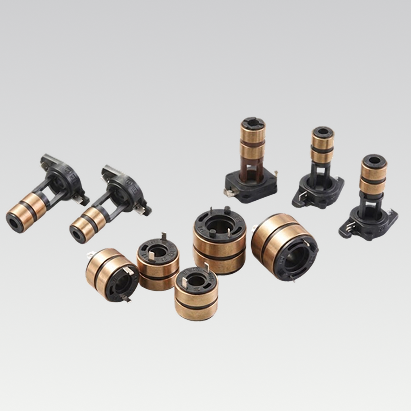
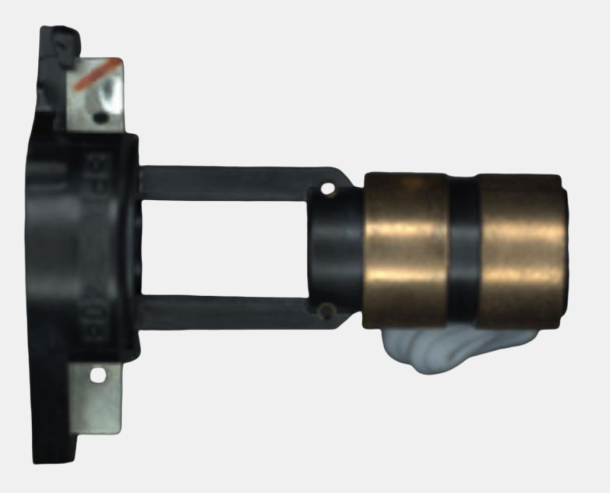
Slip rings combine multiple material types into a single precision component, featuring conductive surfaces, bakelite housing, welding zones, and adhesive details. Human operators struggle to simultaneously evaluate functional risks and cosmetic flaws across these varied surfaces, making manual sorting both slow and inconsistent. Furthermore, frequent product changeovers disrupt inspection rhythms. To maintain quality and throughput, the system must reliably detect a wide array of anomalies:
- Electrical Interface Defects: Black oxide, scratches, impact damage, pits, exposed copper, burrs, and deformation that directly degrade conductivity.
- Material and Process Flaws: Bakelite cracks, foreign objects, contamination, flash, glue shortage, and glue overflow requiring precise sorting and traceability.
The Solution: Robot Loading with Real-Time AI Sorting
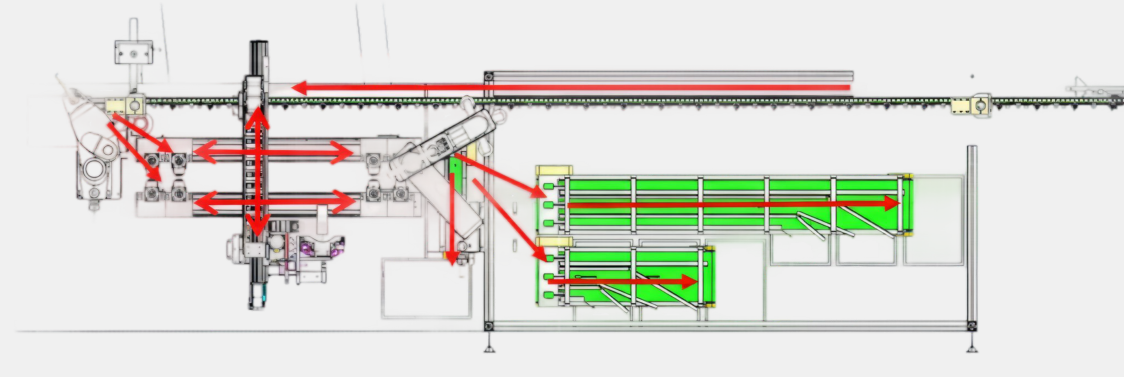
The automated workflow begins with robotic loading, where a manipulator fixtures each slip ring in the inspection zone. OptiX captures the required visual data, and CorteX performs real-time defect detection. The results are pushed immediately to the equipment layer to drive autonomous sorting and full traceability. This process provides an immediate quality decision for every part and completely eliminates the need for manual sorting.
UnitX AI Visual System:
- Imaging System: 1x OptiX unit
- AI Detection System: 1x CorteX unit
Results: 3-Second Cycle Time
The deployment of robotic handling and intelligent detection produced the following operational benchmarks:
- 0% False Acceptance Rate: Guarantees electrical continuity by preventing flawed contact surfaces from leaving the station.
- ≤ 10% False Rejection Rate: Minimizes material waste while accurately navigating the varying textures of bakelite and copper.
- ≤ 3s Cycle Time: Evaluates the entire mixed-material component instantly without slowing the primary manufacturing line.
- ≥ 87% Overall Yield Rate: Establishes a highly profitable baseline for usable, defect-free motor components.
Defect Visualization
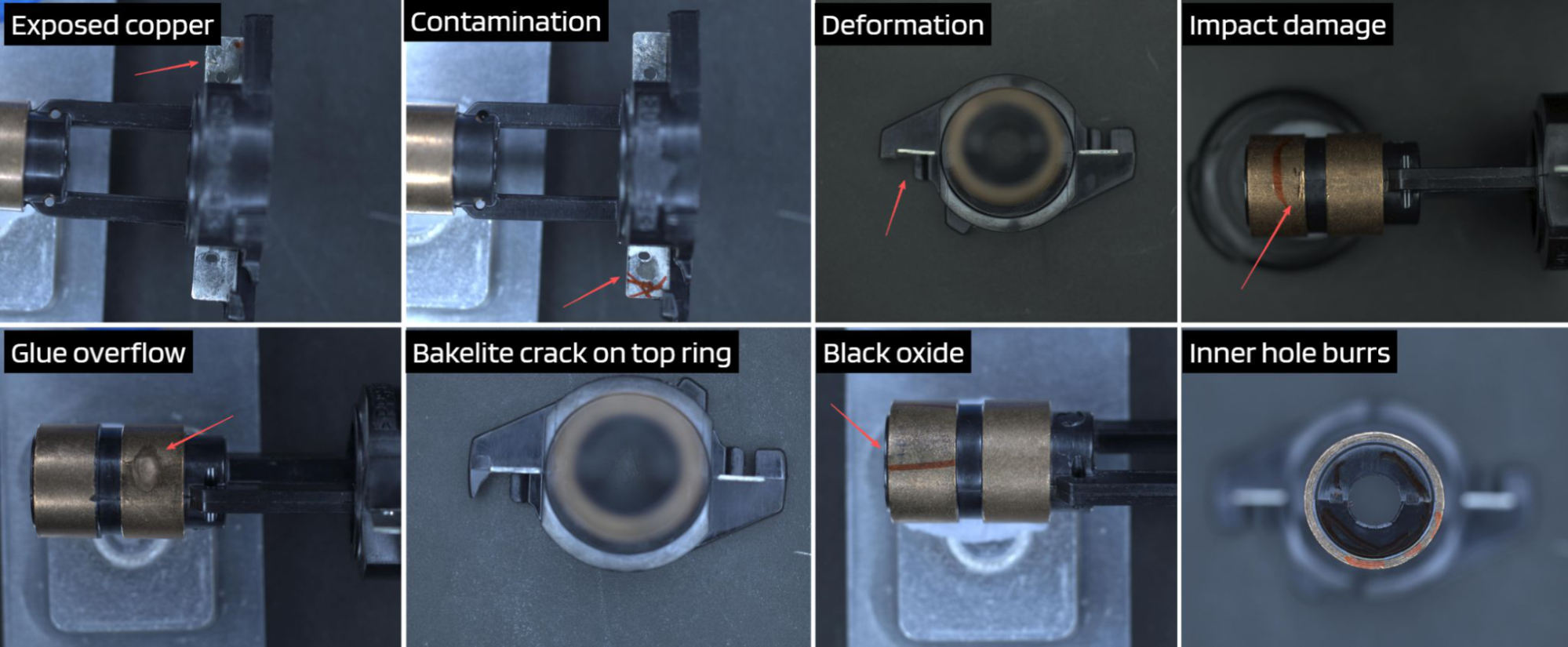
AI-detected defects across the slip ring body, Bakelite housing, and welding zones are classified and annotated in real time, with results pushed to the equipment layer for autonomous sorting:
- Exposed Copper and Black Oxide: Electrical contact surface failures on the ring face.
- Bakelite Crack and Deformation: Housing structural failures compromising electrical isolation.
- Contamination, Impact Damage, Glue Overflow, and Inner Hole Burrs: Process and handling anomalies across the slip ring body.
Conclusion
Slip ring defects directly degrade motor performance and reliability. UnitX’s robot-loaded inspection system solves this by delivering highly accurate decisions at a 3 second cycle time. The automated cell reliably identifies over 13 distinct defect classes, providing full production traceability and securing an overall yield rate of 87% or higher.
Keep every motor turning with defect-free slip rings.
Contact UnitX to discuss slip ring inspection deployment.