Introduction: Automating the Deepest Layer of Inspection
Surface inspection alone cannot guarantee battery cell safety. Critical structural flaws and misalignments hide deep inside the cell, making X-ray imaging an absolute necessity. However, analyzing these X-rays manually forces manufacturers into a costly compromise between line speed and inspection coverage. Human review is inherently slow, subjective, and impossible to scale. UnitX breaks this bottleneck by deploying CorteX to instantly analyze existing X-ray feeds. By automating internal defect detection, manufacturers can intercept critical flaws at full production speed, ensuring cell safety without sacrificing throughput.
The Challenge: Expanding Coverage on Existing Infrastructure
The project goal is to eliminate manual inspection and scale the battery cell tab quality assurance across the factory floor. Since the existing X-ray machines successfully generated the necessary images, the challenge was entirely about data processing: the solution was integrating an AI-powered analysis layer to achieve 100% automated coverage without replacing any capital equipment.
The Defect Spectrum:
The system had to analyze the X-ray feeds to successfully detect:
- Foreign Material: Slivers and FOD (short-circuit hazards).
- Structural Defects: Chad, Incorrect Welds, and Wrinkle (performance degradation hazards).
- Alignment Defects: Cathode Shift and Anode Shift (capacity and safety hazards).
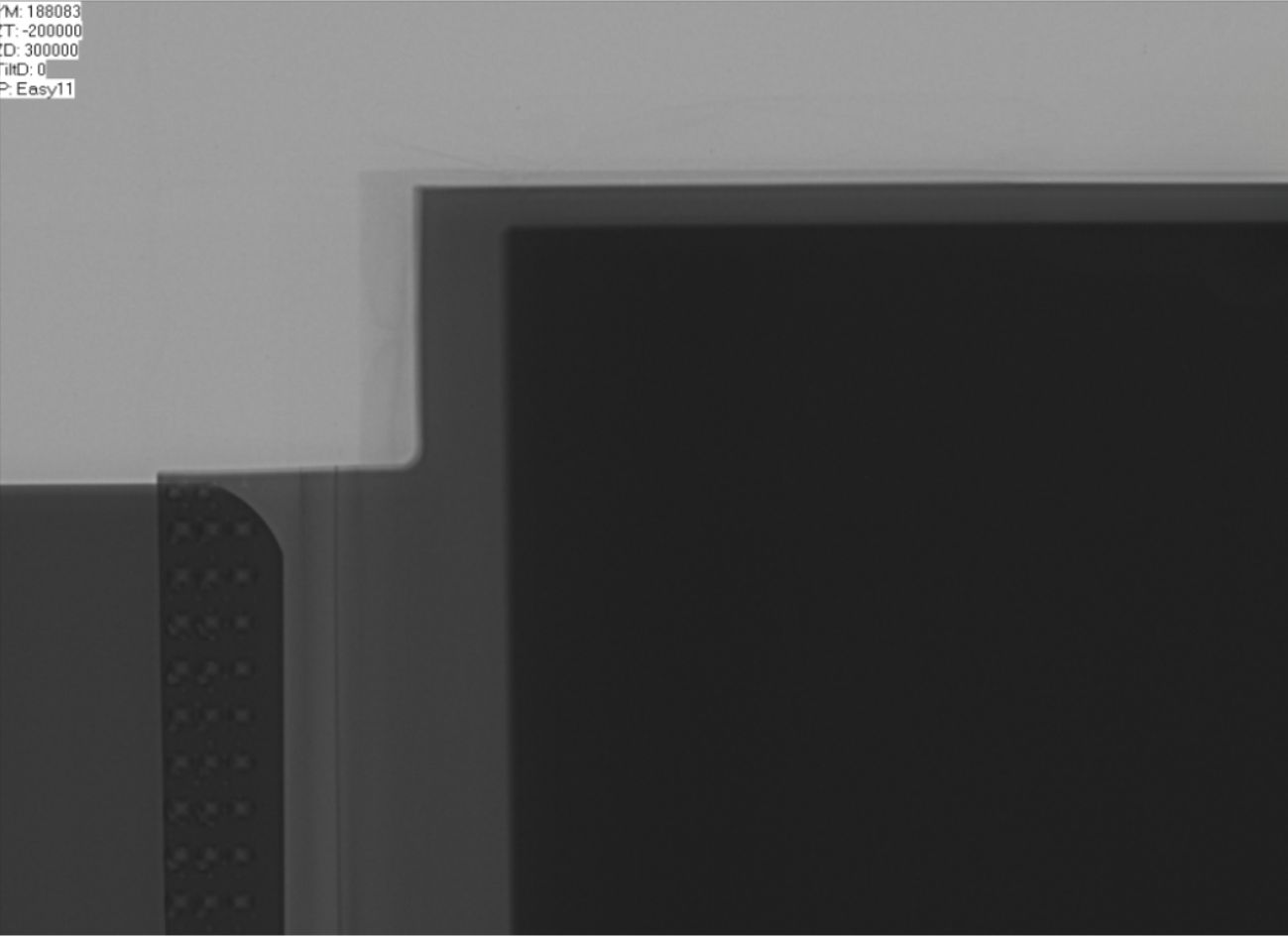
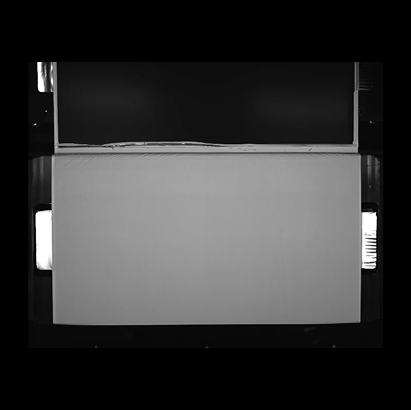
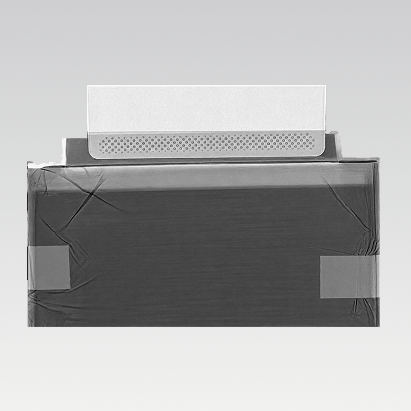
X-ray image of battery cell positive/negative tab area: internal defects invisible to surface cameras are clearly visible under X-ray imaging.
The Solution: CorteX Overlay on Capital Equipment
Rather than replacing expensive capital equipment, UnitX delivered a Cortex-only deployment that acts as an intelligent overlay for the customer’s existing X-ray machines.
This drop-in integration immediately eliminates the manual review bottleneck. CorteX analyzes the complex X-ray imaging feeds in real time, executing rapid inference to catch tabs with slivers, shifts, or bad welds. All defect classifications are instantly exported to the customer’s quality system, securing a 100% automated inspection pipeline without installing a single new scanner.
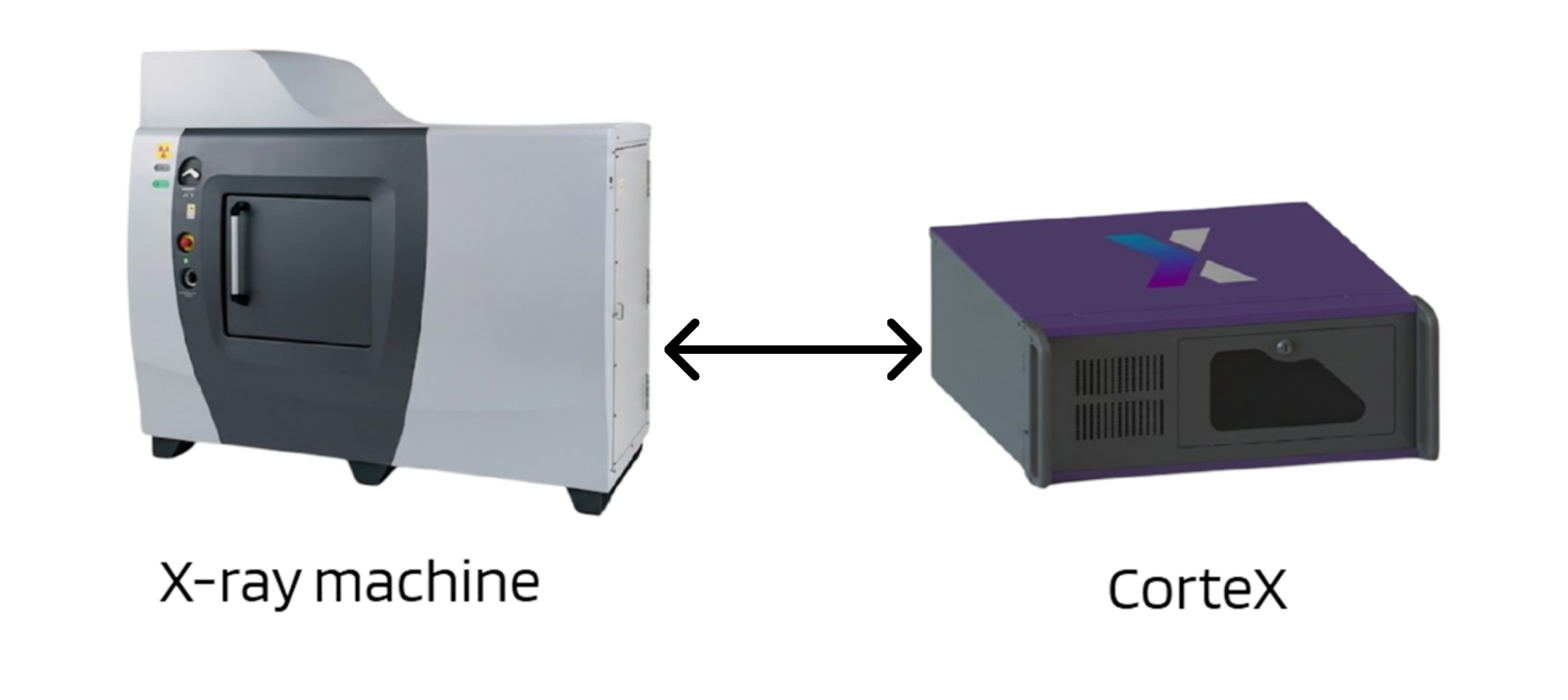
CorteX connects to existing X-ray hardware via software integration, replacing the manual review station with real-time AI inference and automatic result upload.
UnitX Solution:
- CorteX AI Training & Inference System:CorteX-Only deployment integrating with existing X-ray infrastructure.
Results: Zero Escapes, Lean Integration
By deploying CorteX as an intelligent analysis layer, the manufacturer successfully automated their X-ray inspection bottleneck, yielding the following validated production metrics:
- Perfect Quality Gate – False Acceptance Rate = 0%: The AI reliably catches 100% of critical internal flaws, ensuring no defective cells pass the inspection point.
- Controlled Scrap – False Rejection Rate ≤ 4.92%: The system is highly optimized to differentiate between critical structural failures and benign variations, minimizing unnecessary scrap.
Defect Visualization
The images below show raw X-ray captures (top row) alongside UnitX AI detection results (bottom row). The system precisely localizes each defect within the X-ray frame, enabling targeted rejection and root cause tracking for the primary defect classes:
- FOD: Foreign Object Debris embedded in the cell—a critical safety and short-circuit risk.
- Wrinkle: Internal electrode deformation visibly resolved under X-ray.
- Incorrect Weld, Anode Shift, and Cathode Shift: Process and alignment failures flagged with precise coordinate data and instantly pushed to the quality system.
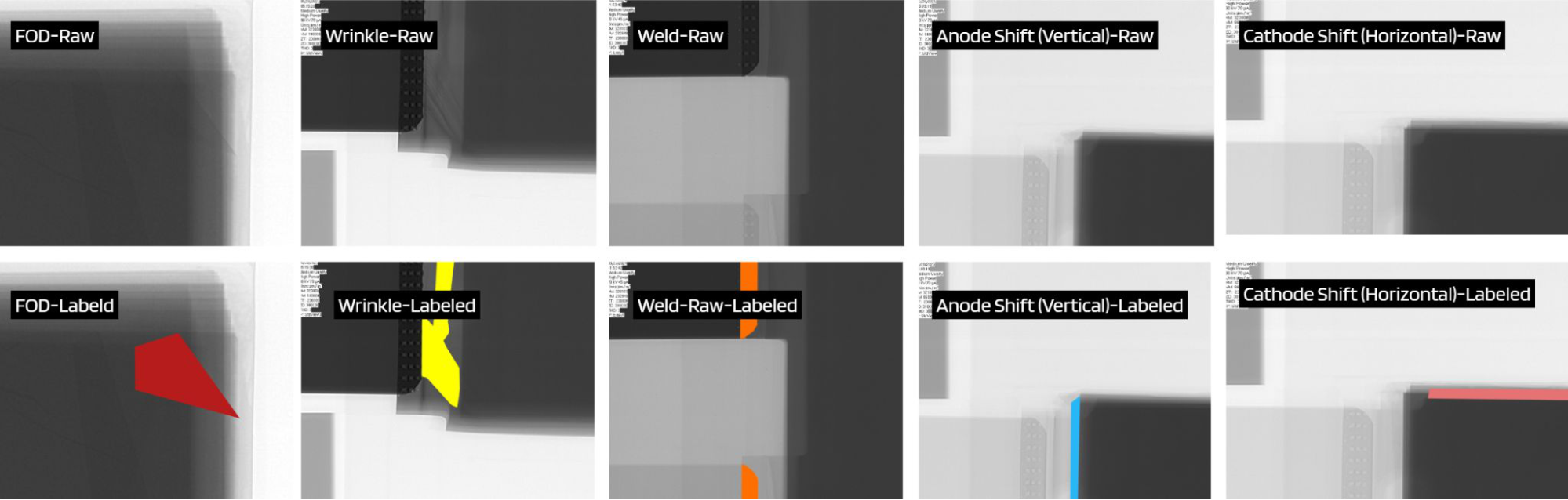
UnitX AI detection results on X-ray images: each defect class is identified and annotated in real time, with results pushed directly to the customer’s quality system.
Conclusion
X-ray data is already being generated on the line. UnitX CorteX turns that data into a 100% automated quality gate —, zero manual review, zero escapes. The result is a faster, more reliable inspection process that scales with production volume.
Automate your X-ray review process today.
Contact UnitX to discuss CorteX integration with your existing X-ray line.