Introduction: Quality on the Menu
In the disposable packaging industry, volume is everything. Millions of lunch boxes are produced daily. However, because these containers come into direct contact with food, quality control cannot be sacrificed for speed.
A single “Metallic Foreign Object” embedded in the pulp, a piece of “Adhesive Residue,” or a dirty “Black Spot” can lead to consumer complaints, food safety recalls, and brand damage.
Inspecting these products is challenging. They are often made of molded pulp, which has a naturally rough texture that confuses traditional vision systems. Furthermore, production speeds are blistering—manufacturers need a system that can inspect every single box in one second or less.
The Challenge: Raw Materials and Production Flaws
The project goal was to inspect both Surface A (Food contact side) and Surface B (Bottom/Exterior) of the lunch box.
The Defect Spectrum:
The system had to distinguish between natural material variations and actual hazards:
- Hygiene & Safety: Black spots, dirt, metallic objects, and unwanted foreign materials mixed into the pulp.
- Manufacturing Flaws: Scorch marks (burns), wrinkles, chipped edges, holes, peeling, and leftover adhesive tape stuck to the product.
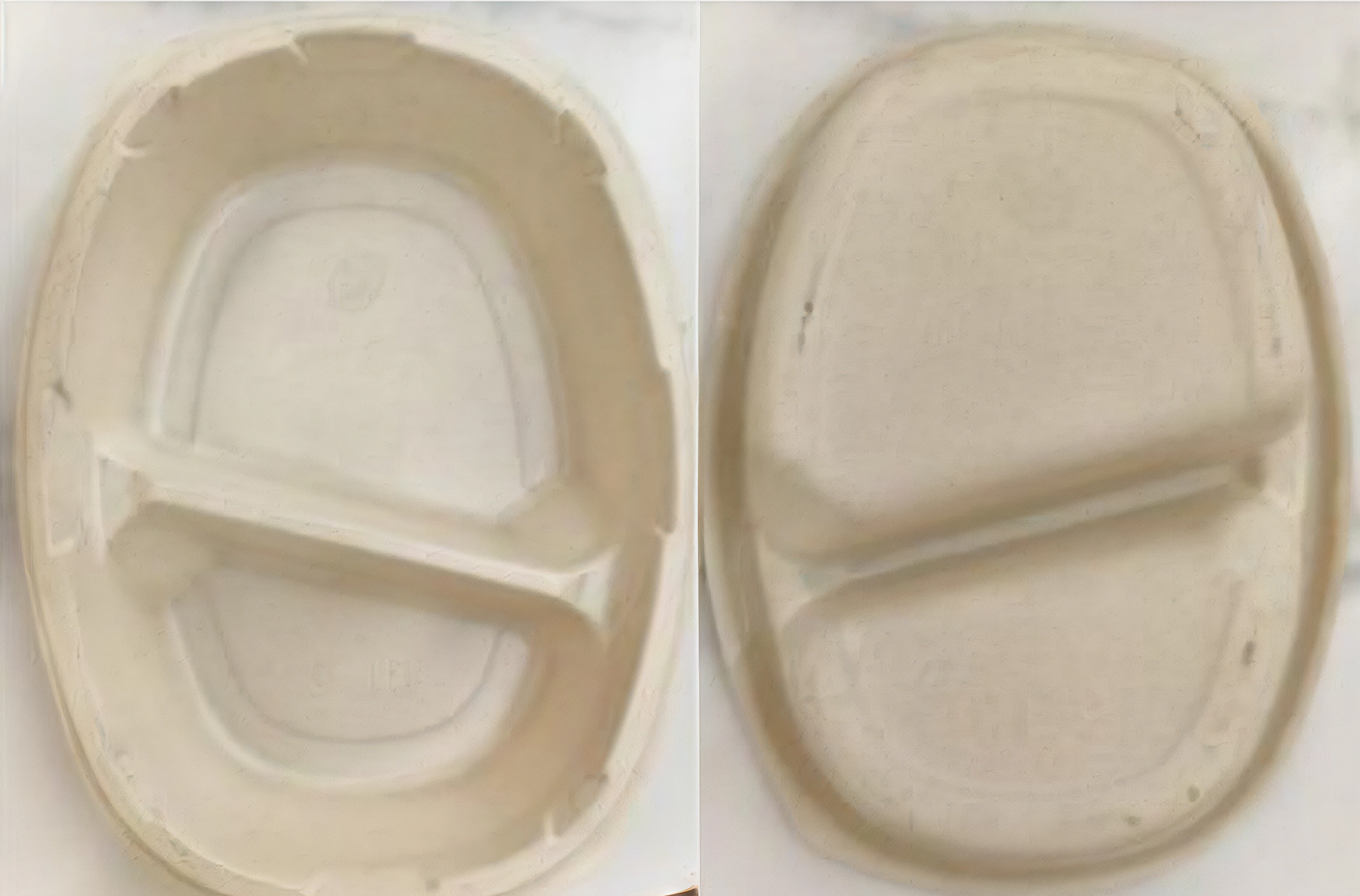
Disposable lunch boxes require inspection on both the food-contact surface and the exterior.
The Solution: Multi-Station Conveyor Inspection
UnitX designed a continuous, high-speed conveyor line that uses 6 UnitX OptiX visual inspection systems to check every angle of the lunch box without slowing down production.
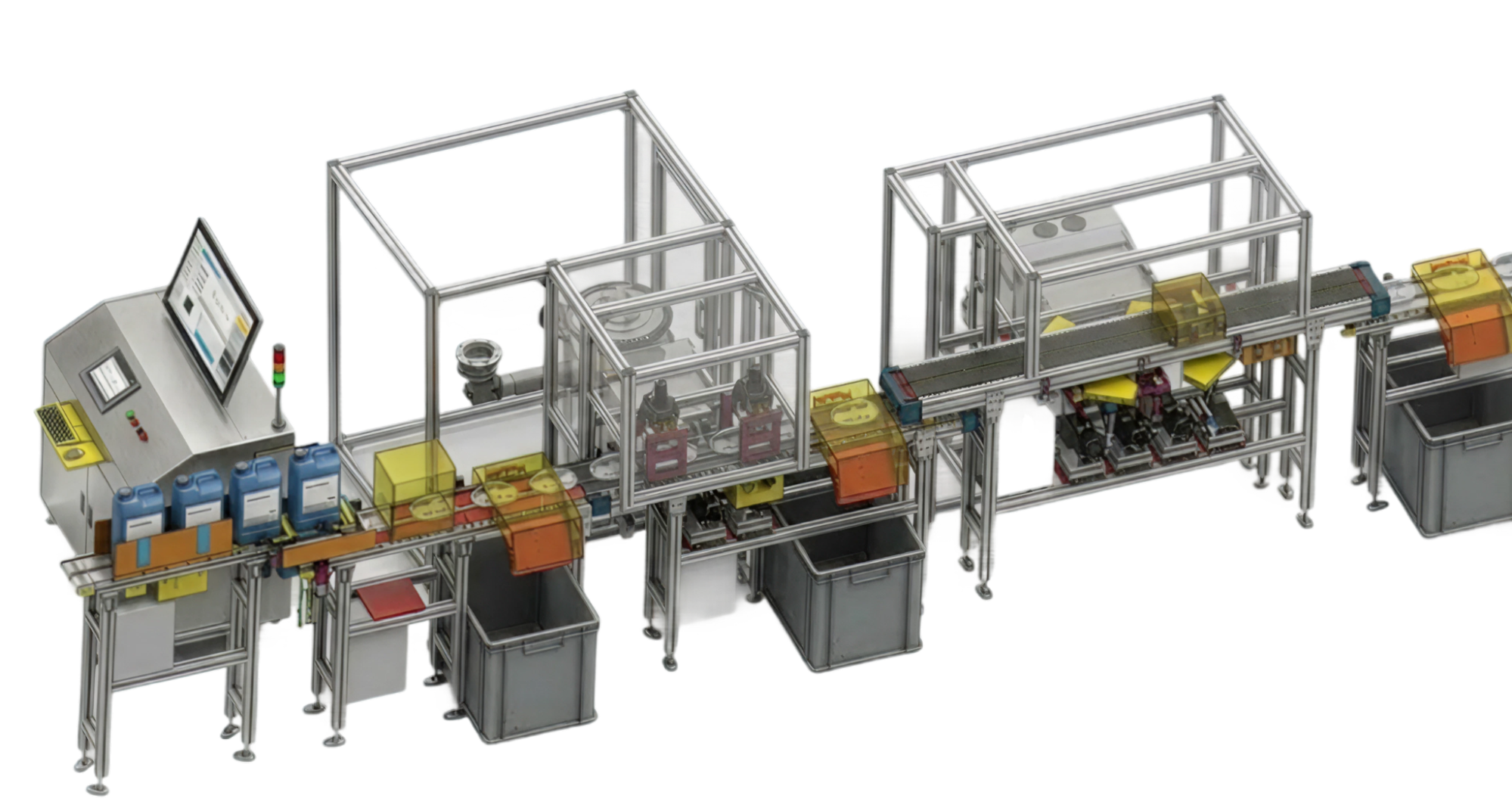
UnitX’s line features Back-light, Surface A, and Surface B inspection stations for total coverage.
System Architecture:
-
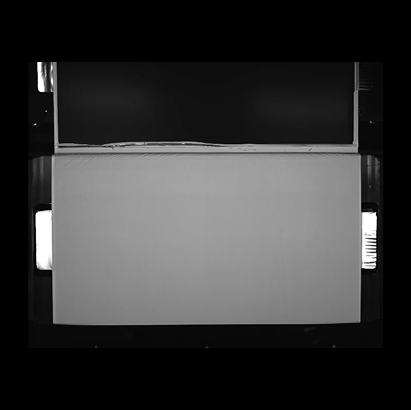
- Station 1 (Backlight Inspection): Uses 1 OptiX system with a bright backlight shining through the box. This instantly highlights hidden holes, thin spots, or embedded foreign objects blocking the light.
- Station 2 (Inside/Surface A): Uses 2 OptiX systems focused directly on the interior food-contact area to catch dirt, scorch marks, and tape.
- Station 3 (Outside/Surface B): Uses 3 OptiX systems aimed underneath the product to perfectly inspect the exterior bottom.
- CorteX AI & Speed: The conveyor runs at a rapid “flying” speed of 300mm/s. The CorteX AI brain analyzes all the images on the fly, making a final pass/fail decision in just 1 second per box.
Results: High Speed, Zero Hazards
Within just 4 weeks of deployment, UnitX transformed the factory’s quality control. The system proved that blazing production speeds and strict food hygiene can go hand in hand.
The Bottom Line:
- Total Safety: The AI achieved a perfect 0% False Acceptance Rate, ensuring no metallic objects or dirty containers ever reached a consumer.
- Massive Labor Savings: A single machine successfully replaced 10 manual workers, while keeping false scrap incredibly low (an False Rejection Rate ≤ 3%).
- Unstoppable Speed: Operating with negligible downtime, the line flawlessly scans and clears 1 complete lunch box every single second.
Defect Visualization
The images below show the severity of defects the AI catches.
- “Metallic Foreign Object”: A critical safety hazard.
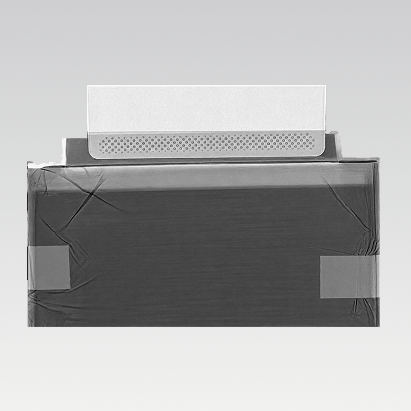
- “Tape/Adhesive”: A clear process error.
- “Scorch Marks”: Evidence of overheating in the molding process.
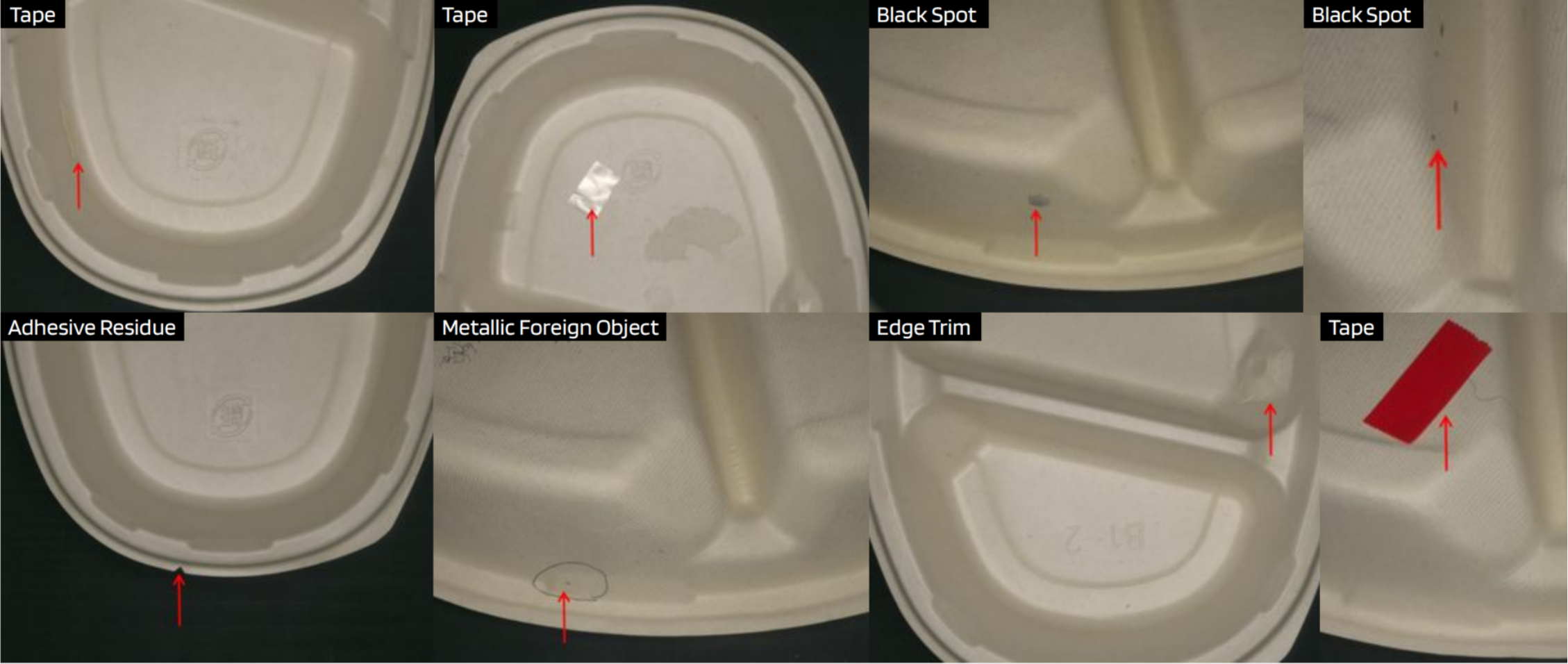
UnitX AI identifies critical contaminants like metallic objects and adhesive tape residues.
Conclusion
In the food packaging industry, trust is built one lunch box at a time. UnitX’s inspection solution ensures that trust is never broken. By combining backlight imaging, multi-surface imaging, and AI detection, we deliver a 100% inspection rate at mass-production speeds.
Ensure your packaging is food-safe.
Contact UnitX to discuss high-speed packaging inspection.