Introduction: When a Scratch Becomes a Safety Hazard
In the world of Advanced Driver Assistance Systems (ADAS), the Radar is the vehicle’s eyes. It powers emergency braking, adaptive cruise control, and blind-spot monitoring. The aluminum structural case that houses this radar is not just a passive shell; it is a critical functional component.
Any manufacturing defects on this case—such as dents, burrs, or uneven surfaces—do more than look bad. They can compromise the environmental seal or cause the internal electronics to misalign, degrading the sensor’s overall detection accuracy.
For manufacturers, the stakes are incredibly high. Relying on manual inspection for these critical components is risky, as human eyes often miss the subtle “R-angle” (corner radius) collapses or micro-dents that affect performance.
The Challenge: Complex Geometries and “R-Angles”
The project goal was to automate the quality control of these aluminum structural housings, ensuring that no mechanical or sealing defects ever reached the final assembly line.
Defect Complexity:
The system needed to inspect specific geometric features that are prone to manufacturing errors:
- The “R-Angle”: The curved corner of the case. Defects here, like “R-angle collapse” or “R-angle press marks,” are notoriously difficult to detect with standard lighting.
- Surface Integrity: Gouges, peeling, whitening, and dents.
- Functional Areas: The top surface and inner bottom surface where the electronics sit.
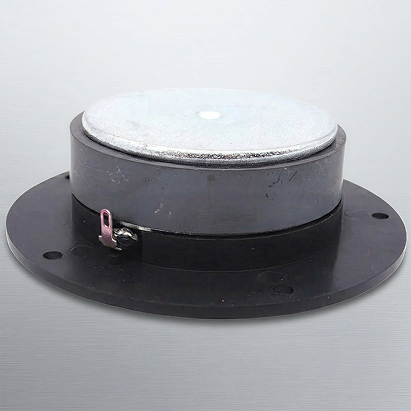
The aluminum radar case must be geometrically perfect to ensure it doesn’t interfere with ADAS signals.
The Solution: High-Speed Batch Inspection
UnitX deployed a fully automated system designed for high-throughput batch processing.
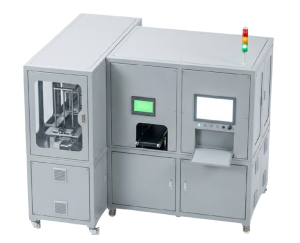
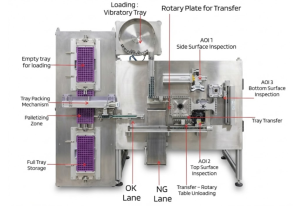
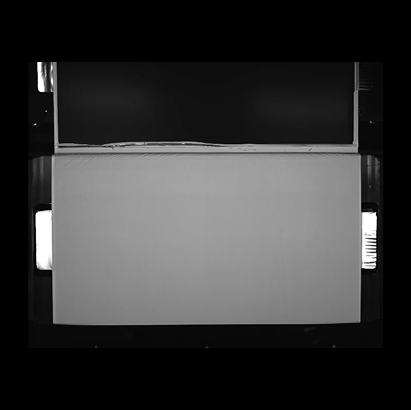
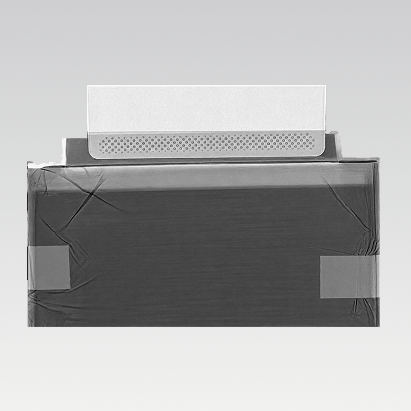
UnitX’s automated cell captures 9 units simultaneously for maximum throughput.
System Architecture:
- Batch Capability: The system is engineered to inspect multiple units at once. A side camera captures 9 units simultaneously, while front and bottom cameras sweep the batch.
- Comprehensive Imaging: Utilizes 3x UnitX OptiX imaging systems, the machine covers the top, bottom, and difficult side angles.
- Powered by CorteX AI: UnitX’s CorteX intelligently segments the housing into critical and non-critical zones. Using this zone-based approach, the system enforces rigorous quality standards on the vital mating surfaces while safely ignoring acceptable cosmetic marks to prevent false rejects.
Results: Speed and Safety
The system delivered a level of efficiency that manual inspection could never match.
1. Incredible Throughput (4s / 9pcs)
- Side Inspection: 1.5 seconds for 3 pieces.
- Front/Back Inspection: 4 seconds for 9 pieces.
- This translates to a per-piece cycle time of roughly 0.44 seconds, enabling the manufacturer to inspect 100% of production without slowing down.
2. “Critical Zone” Precision
- False Acceptance Rate (Critical Zones): ≤ 0.01%.
- For functional zones like the Top Surface and R-Angle, the system is virtually zero-defect. This ensures that the most sensitive parts of the aluminum housing are flawless.
3. Balanced Efficiency
- False Rejection Rate: ≤ 5%.
- Non-Critical FA: ≤ 0.5%.
- By intelligently relaxing standards slightly on non-critical cosmetic areas, the system maintains high production yield without compromising the safety functionality of the core zones.
Defect Visualization
The images below showcase the system’s ability to detect structural damage. Note the specific detection of “Fillet/Corner Damage” and “R-Angle” issues.
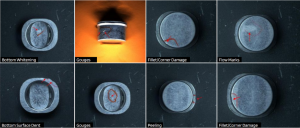
UnitX AI identifies critical structural defects like gouges and corner damage that could affect signal transmission.
Conclusion
In the ADAS supply chain, component quality equates directly to road safety. UnitX’s automated inspection solution for radar housings combines the extreme throughput of batch processing with the precision of our zone-based CorteX AI.. We help manufacturers ensure that every radar unit has a clear, uncompromised view of the road ahead.
Protect your ADAS reputation.
Contact UnitX to automate your radar component inspection.