Introduction: Proven Precision at Massive Scale
Securing the complex internal architecture of battery bicells demands flawless CT imaging analysis. However, traditional automated systems often struggle to interpret this dense data. Because they miss complex defects or require days of programming, operators are forced to step in for manual secondary reviews. This defeats the purpose of automation and severely limits throughput. UnitX solves this by integrating CorteX directly into existing CT pipelines, delivering adaptable AI analysis that detects complex debris and structural flaws instantly. Proven across over 10 million cells, this solution eliminates manual review and guarantees zero escapes at full production speed.
The Challenge: Eliminating Manual Secondary Inspections
Even with CT scanners in place, the customer could not achieve true automation. Their legacy analysis software struggled with complex programming requirements and left dangerous coverage gaps, particularly failing to detect tiny internal debris. Consequently, human operators had to manually re-inspect the images for every bicell. The goal was to integrate an advanced AI system that could scan the full cell area and catch every defect type without human intervention.
The Defect Spectrum:
The system detects internal defects only visible under CT imaging:
- Debris & Contamination: Electrode Debris and Electrode Debris Bridging — contamination that creates short-circuit paths.
- Structural Defects: SRS Damage, Exposed Electrode, Debris Under SRS, Folded Electrode, and Tape — manufacturing process failures that compromise cell integrity.
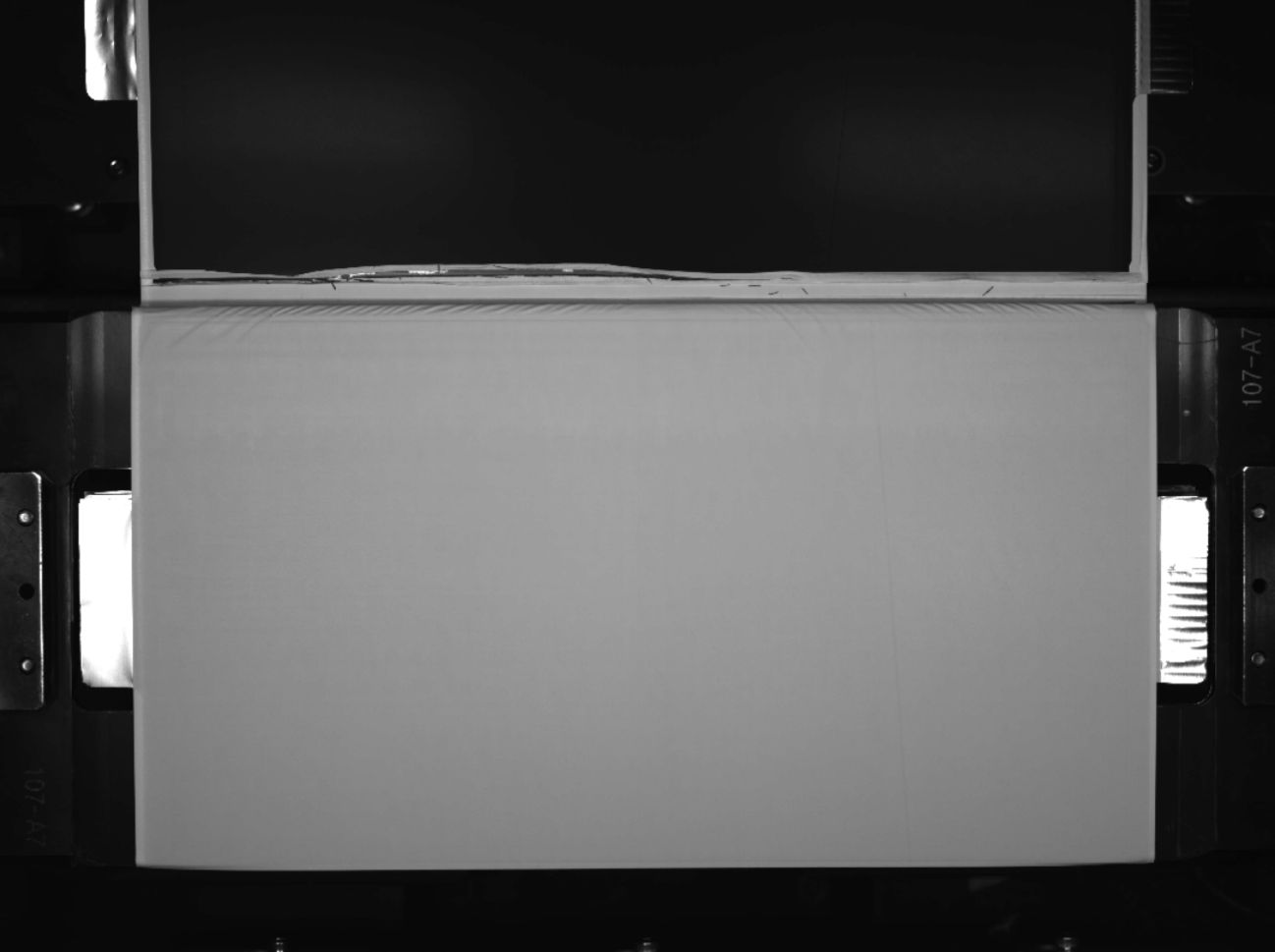
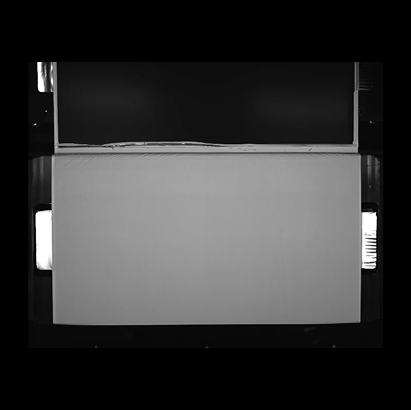
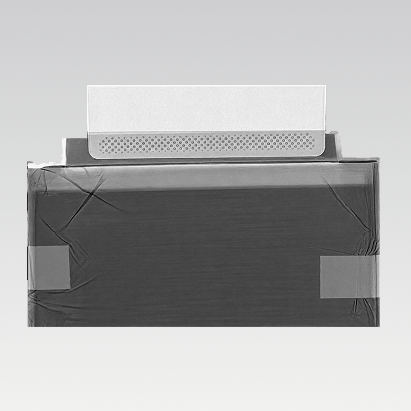
CT image of BiCell: the full cell area is covered in a single scan, with AI detecting debris, SRS damage, and electrode anomalies that manual review regularly misses.
The Solution: UnitX CorteX Integration for High-Volume CT
To overcome the coverage limitations of the previous setup, UnitX deployed a CorteX-only solution directly onto the factory’s third-party CT hardware. This automated upgrade secured a fully traceable quality pipeline that has already inspected over 10 million cells. It also dramatically improved line agility. Instead of the three days needed to program the older system, operators can easily retrain the UnitX CorteX AI in a single hour.
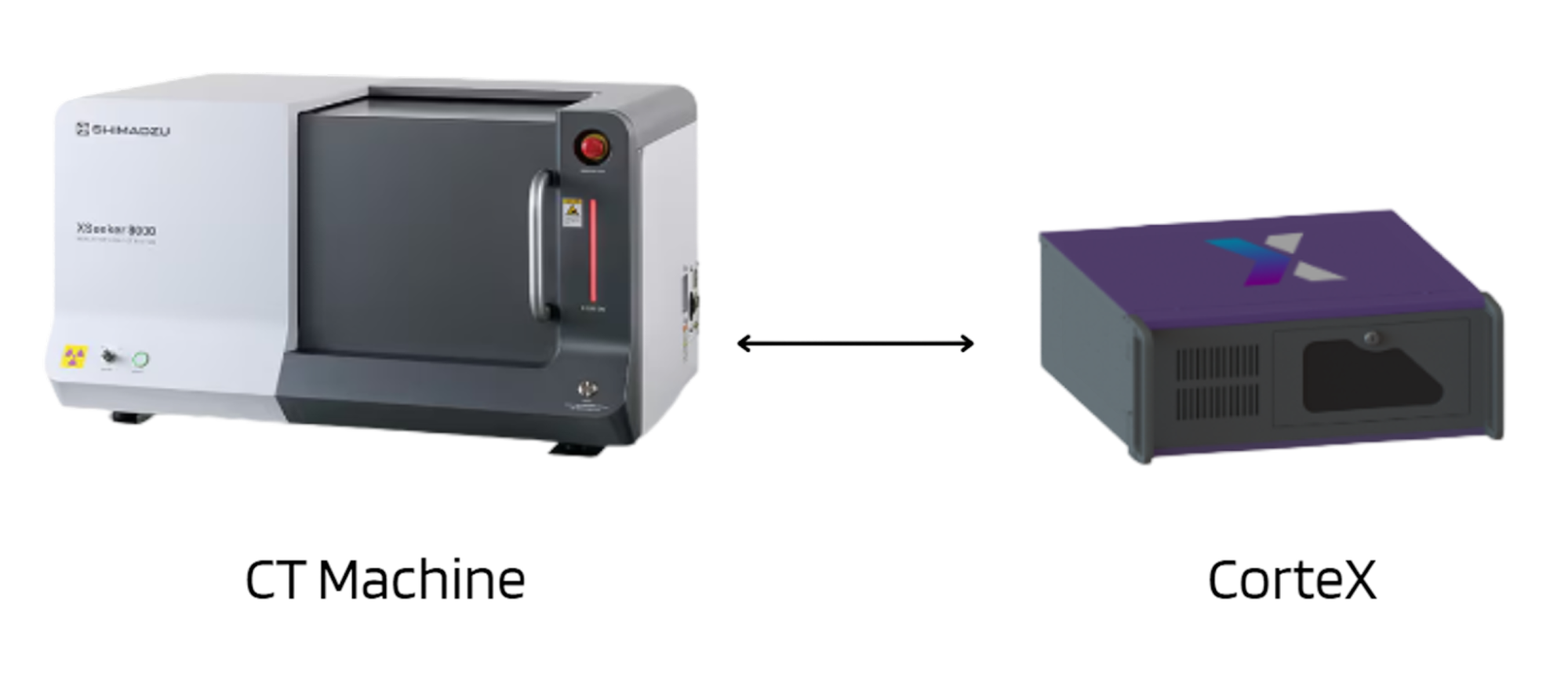
CorteX integrates with the CT machine data pipeline, performing inference on each scan and uploading pass/fail results with full defect traceability.
UnitX Solution:
- CorteX — Integration with existing CT infrastructure.
Results: 10M Cells Inspected with 0 Escapes at 0.217 second/part
Operating flawlessly at massive scale, the UnitX CorteX integration delivered an immediate upgrade to both line speed and inspection accuracy. The validated production metrics include:
- 0% False Acceptance Rate: Zero escapes of critical internal flaws.
- 0% False Rejection Rate: Zero false rejections or wasted materials.
- 0.217s Cycle Time: Millisecond AI inference that eliminates the manual review bottleneck.
- 1-Hour Retraining Time: A massive reduction from the previous 3-day programming requirement.
Defect Visualization
The images below show raw CT captures (top row) alongside AI inference results (bottom row). The AI segments each defect region and classifies it by type, with results logged to the customer’s MES for full batch traceability.
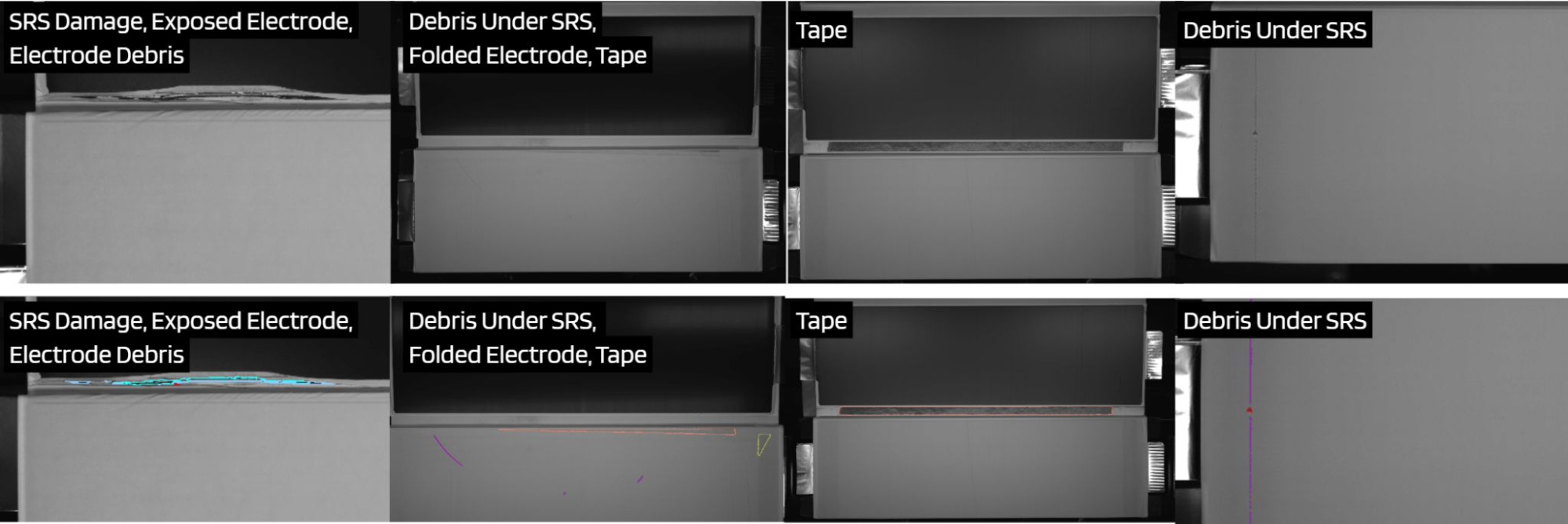
Raw CT image vs. AI inference result: defect regions are precisely segmented and classified, enabling targeted rejection and process feedback.
Conclusion
CT imaging generates the necessary data, and UnitX CorteX transforms it into a 100% automated, zero-escape quality gate. Operating at 0.217 seconds per cell with model updates measured in hours, the system has successfully inspected over 10 million cells without a single escape. That is the standard UnitX delivers.
Replace manual CT review with automated AI inspection.
Contact UnitX to discuss BiCell inspection deployment.