Introduction: Quality You Can Feel
In the medical industry, quality isn’t just a requirement; it’s an ethical mandate. An Ultrasonic Probe is a tool that doctors hold in their hands and use on patients daily. The surface finish must be perfect—not just for hygiene and safety (no cracks for bacteria to hide in), but for the confidence of the medical professional using it.
Any defect reaching the market—a scratch, a discoloration, or a delamination on the painted surface—prompts immediate replacements and damages the brand’s reputation.
Inspecting these probes is challenging because of their ergonomic, curved shapes. A simple top-down camera cannot see the sides or the contours where defects often hide. Manual inspection is slow, subjective, and prone to fatigue.
The Challenge: Curves, Contaminants, and Flexibility
The project goal was to replace manual visual inspection with an automated system capable of enhancing quality control.
The Scope of Detection:
- Structural Integrity: Identifying cracks, coating delamination, flash/burrs, and surface voids.
- Aesthetic Finish: Catching paint discoloration, surface scuffs, deep abrasions, and drag marks.
- Contaminants: Spotting mixed-material contamination, excess material, and minute black spots.
Furthermore, the solution needed high operational flexibility, requiring fast tooling changeovers to effortlessly handle four different probe models without causing production downtime.
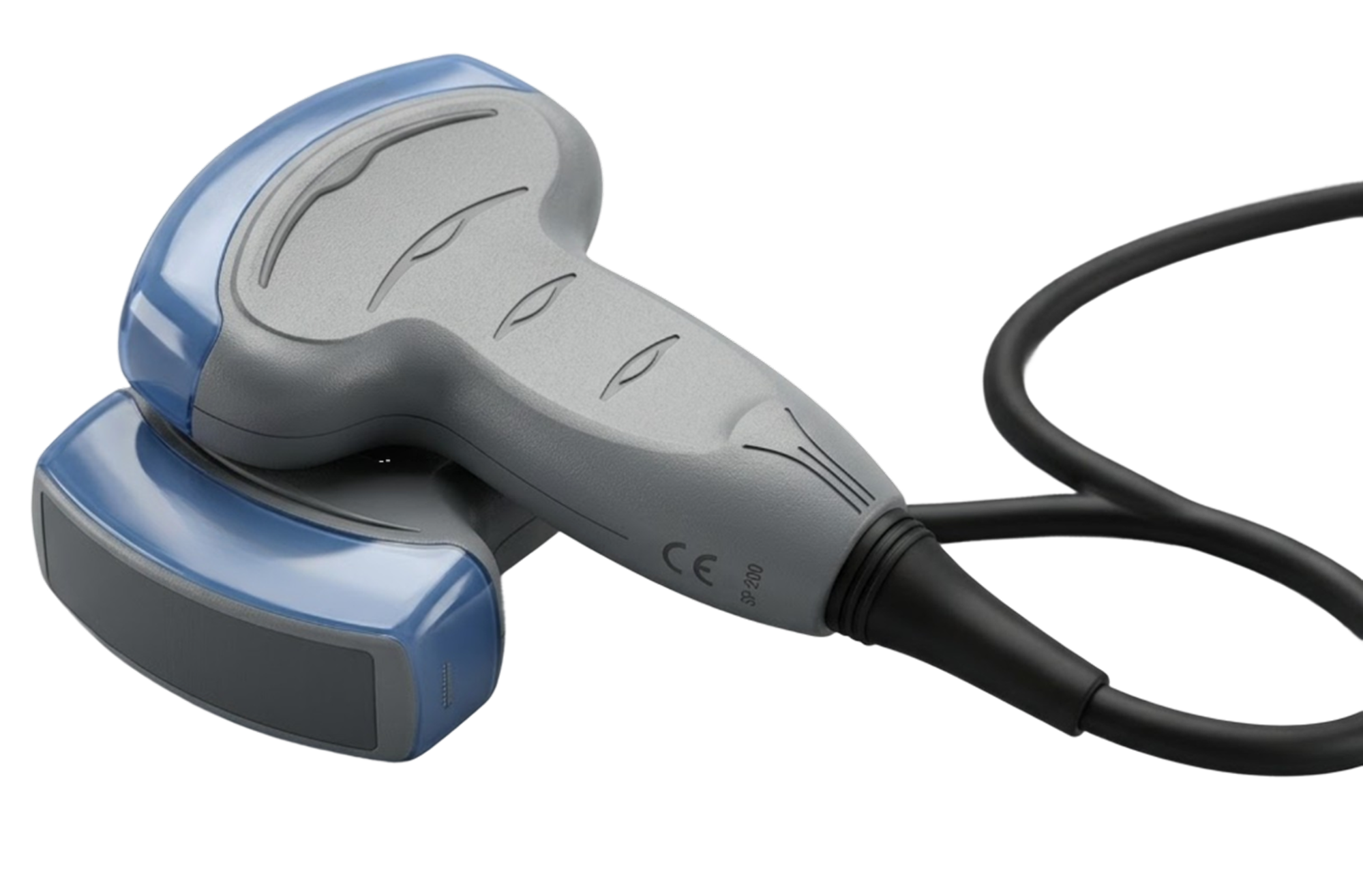
Ultrasonic probes feature complex ergonomic curves that are difficult to inspect with static cameras.
The Solution: Ceiling-Mounted Gantry with S-Axis
UnitX engineered a sophisticated motion control solution to scan the probe’s complex geometry.
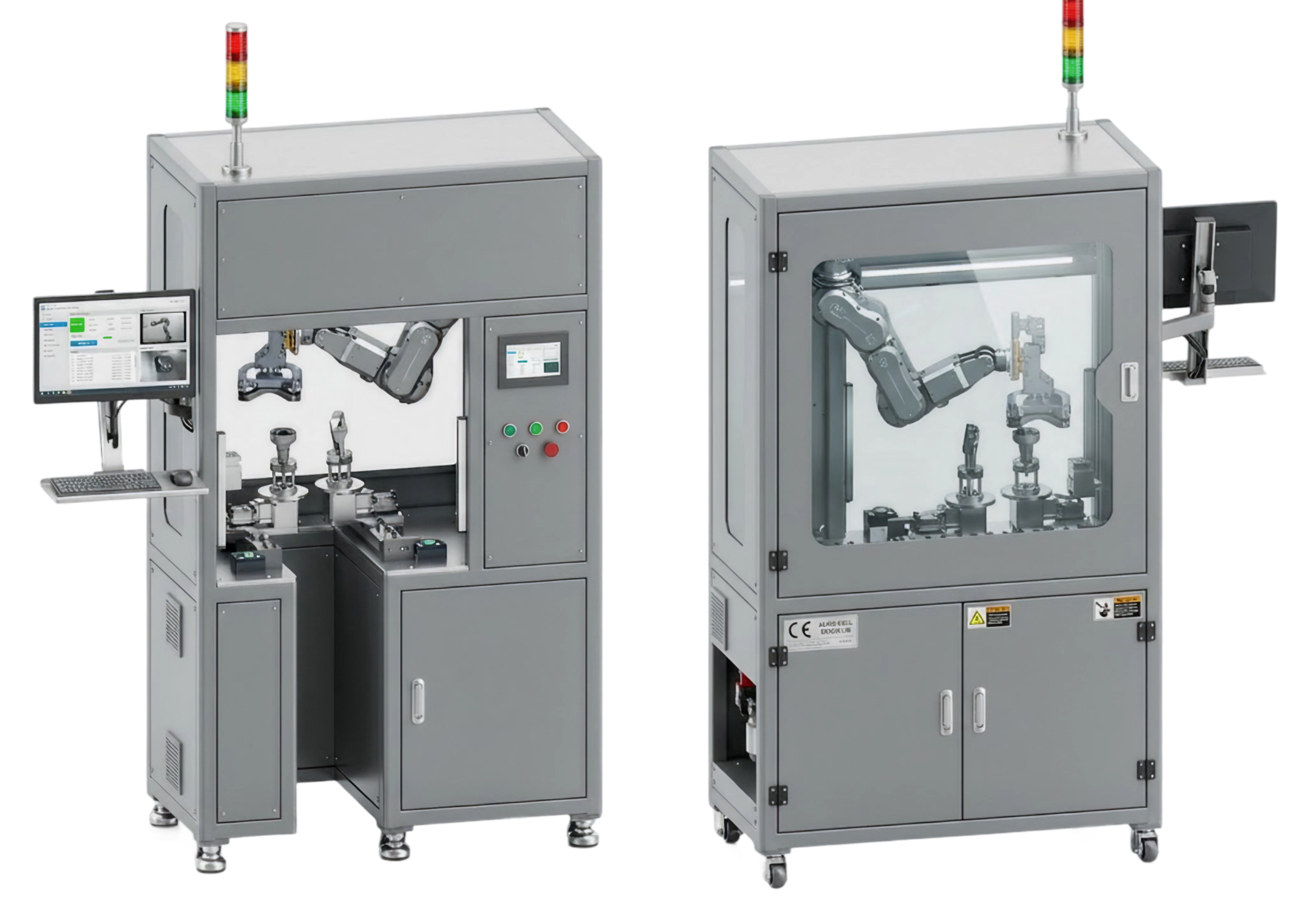
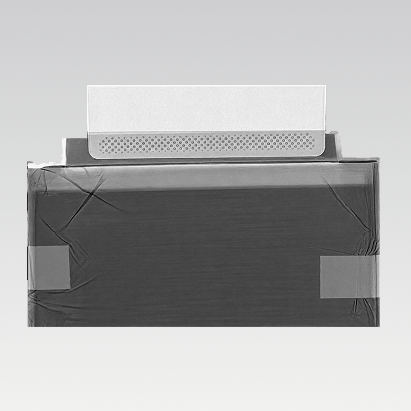
UnitX’s inspection cell features a ceiling-mounted gantry and S-axis camera for multi-angle scanning.
System Architecture:
- S-Axis Motion: Instead of a fixed camera, the system uses a ceiling-mounted gantry with an S-axis camera. This allows the UnitX OptiX system to move around the probe, performing multi-angle scans that follow the curvature of the device.
- AI Analysis: The CorteX AI stitches these scans together to form a comprehensive understanding of the surface quality.
- Automated Rejection: The system automatically segregates defective units, removing the need for human decision-making.
Results: Replacing Manual Eyes
The transition to automated inspection delivered both cost savings and quality assurance.
1. Labor Reduction (ROI)
- Impact: Eliminated 2 manual inspectors.
- By automating the process, the manufacturer reduced direct labor costs and removed the variability of human inspection.
2. Zero Defects Passed
- False Acceptance Rate: 0%.
- The system achieved total containment of critical defects like cracks and voids, ensuring patient safety and product reliability.
3. High Efficiency
- False Rejection Rate: ≤ 1%.
- Despite the high aesthetic standards of the medical industry, the AI was precise enough to keep false rejects under 1%, minimizing waste.
Defect Visualization
The images below highlight the system’s ability to spot subtle finish defects on the curved white/grey surface.
- “Drag Marks”: Subtle streaks in the paint.
- “Discoloration”: Yellowing or staining.
- “Scratches”: Physical damage to the housing.
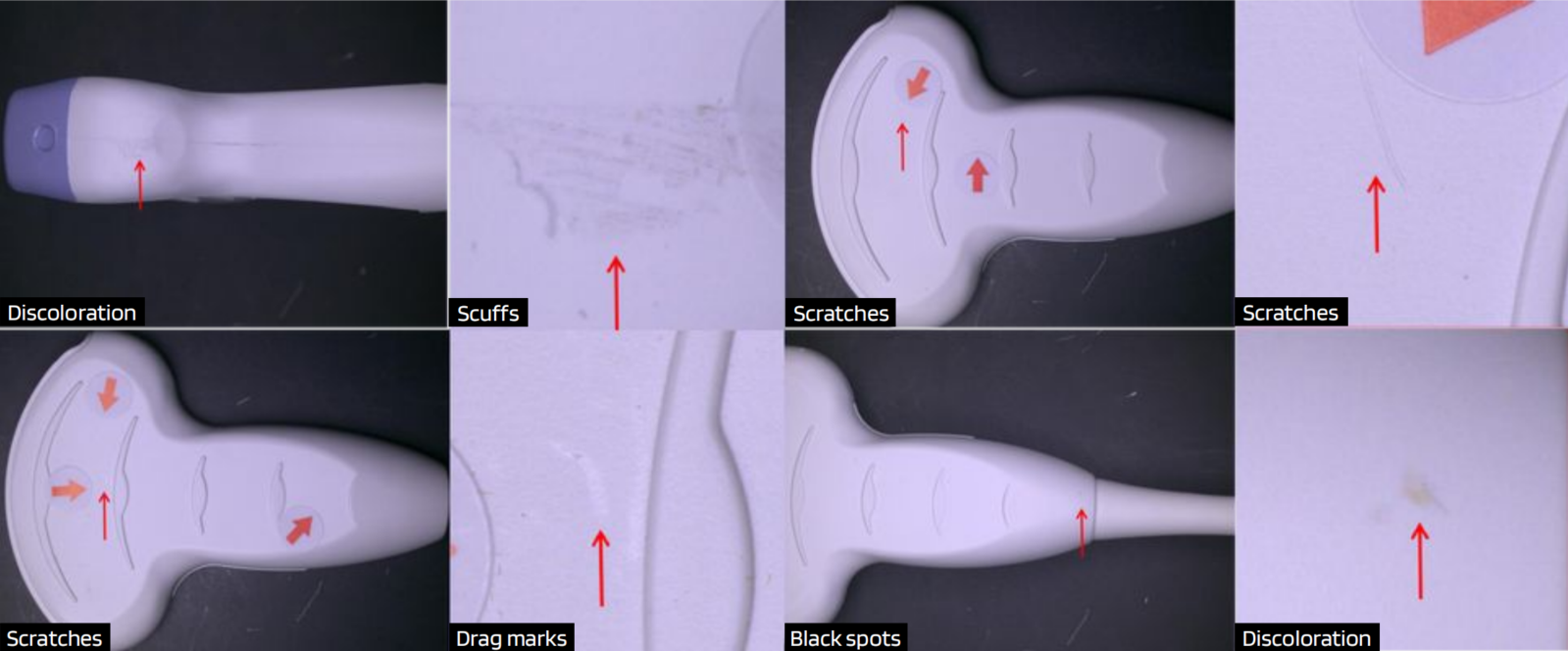
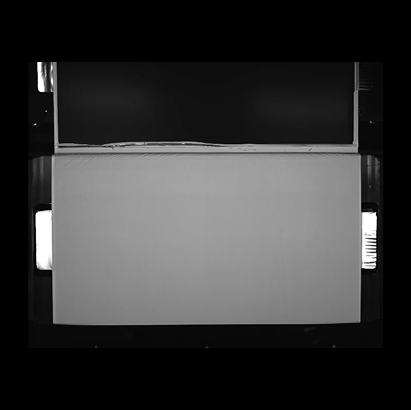
UnitX AI detects subtle drag marks and discoloration on the painted probe surface.
Conclusion
In medical manufacturing, “good enough” is never enough. UnitX’s Ultrasonic Probe Inspection solution brings S-axis robotic precision to the quality control process. By eliminating manual inspection and achieving 0% defect leakage, we help medical device manufacturers deliver products that look and feel as professional as the doctors who use them.
Elevate your medical device quality.
Contact UnitX to discuss automated surface inspection.