Introduction: The Eye of the Car
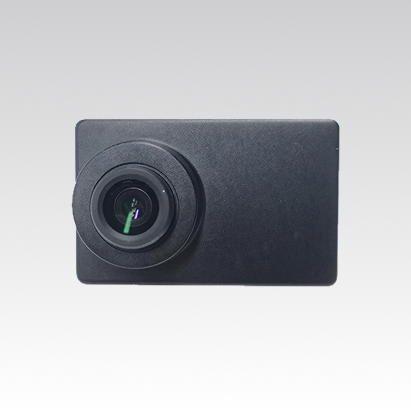
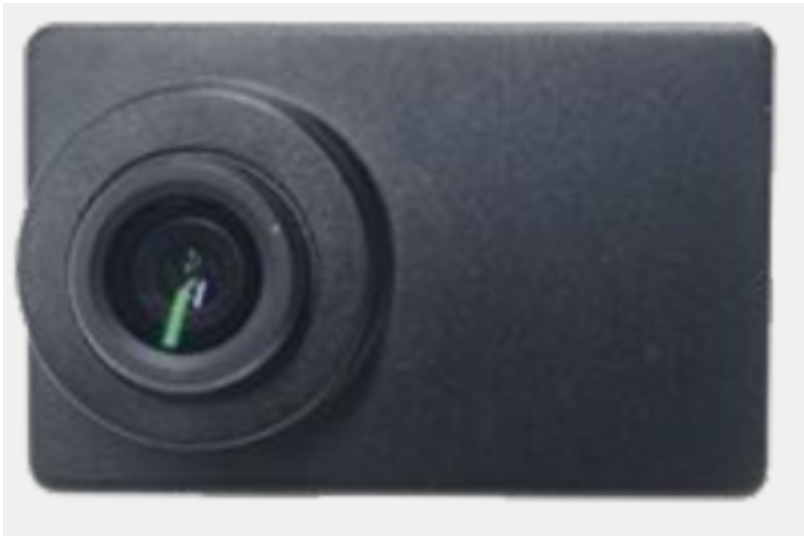
The automotive camera module is the “eye” of the modern vehicle, feeding data to safety systems like lane departure warnings and emergency braking. But a camera is only as good as its assembly.
The “Lock-fit” process—the final stage of securing the lens,PCB, and housing together—is a make-or-break moment in manufacturing. If the locking is slanted, the image stability suffers. If the adhesive dispensing has bubbles or gaps, the seal is compromised, leading to moisture ingress and failure.
Manual inspection cannot deliver the extreme precision required to spot a “white spot in the light-transmitting hole” or a microscopic “bubble in the lens adhesive.” The industry demands an automated solution that ensures clarity, safety, and durability.
The Challenge: Glue, Glass, and Geometry
The project goal was to automate the quality control of the Vehicle Lens Assembly to meet automotive certification standards.
The Triple Threat of Defects:
The vision system had to overcome the visual complexity of inspecting glass and clear epoxy to catch three distinct categories of failure simultaneously:
- Optical Path Defects: White spots, scratches, oil stains, or foreign objects in the light-transmitting hole (aperture).
- Adhesive Defects: Bubbles, cracks, missing glue, overflow, and insufficient dispensing.
- Mechanical/Assembly Defects: VCM (Voice Coil Motor) press marks, slanted locking, and bad pin angles.
This requires a vision system capable of seeing through glass, analyzing transparent glue, and measuring geometric alignment simultaneously.
The camera module requires inspection of the optical aperture, adhesive seal, and mechanical locking alignment.
The Solution: Integrated Precision Station
UnitX deployed an advanced inspection station integrated directly into the assembly line workflow.
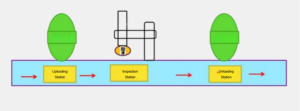
The UnitX inspection station sits between uploading and unloading, providing 100% inline verification.
System Capabilities:
- Multi-Tasking Vision: A single UnitX OptiX system is tuned to inspect lens surfaces, light holes, and adhesive beads in one go.
- Geometric Alignment (CM Positioning): The system rigorously verifies the positioning of the Camera Module (CM) components to detect critical assembly errors like lens tilt or slanted locking.
- Closed-Loop Process Control: Inspection results are continuously uploaded to the plant’s MES (Manufacturing Execution System). This allows engineers to track statistical trends and instantly identify if a specific glue dispensing nozzle or press machine is drifting out of spec.
Results: Crystal Clear Quality
The UnitX system delivered the extreme precision and reliability that manual inspection lacked.
- Guaranteed Optical Clarity (False Acceptance Rate = 0%)
- Achieved a 100% catch rate for critical defects like aperture contamination and oil stains, ensuring no blind or obstructed sensors enter the vehicle assembly line.
- Rapid Inline Cycle Time (1.5s / pc)
- Processed complex optical, adhesive, and mechanical inspections in just 1.5 seconds per unit, easily keeping pace with the high-speed robotics of the assembly line.
- Robust Defect Detection (False Rejection Rate ≤ 10%)
- Maintained strict, zero-tolerance safety margins. This FRR reflects the rigorous standards of ADAS optical components, where rejecting a borderline lens is vastly preferable to risking a safety failure in the field.
Defect Visualization
The AI’s ability to spot defects within the tiny optical aperture is impressive. Note the detection of “Optical Aperture White Dot” and “Slanted Locking” (alignment error).
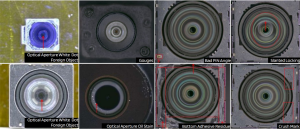
UnitX AI detects microscopic optical obstructions and mechanical assembly errors.
Conclusion
In ADAS manufacturing, there is no room for “blurry” quality standards. UnitX’s Lock-fit Inspection solution ensures that every camera module leaving the factory is optically clear, mechanically secure, and sealed for the long haul.
Ensure your cameras are road-ready.
Contact UnitX to automate your optical assembly inspection.