CorteX
Sample efficient deep learning & inference system
Superhuman
Accuracy
Achieves superhuman accuracy with 9X lower escapes on high variance defects while not overkilling OK parts
Sample Efficient
AI
Rapidly teach models with as few as 3 images per defect type
Fast
Decisions
Up to 160 MP/s inference speeds quickly pass a decision on OK/NG
Adjustable
Tolerances
Pixel precise defect segmentation and adjustable tolerance
Rapidly train with sample-efficient AI
Manage AI model development through the four core functional centers: AI model labeling, AI training, Thresholds tuning, Production line data
Use intuitive, drag-and-drop interface to develop AI models
As few as 3 images needed to train AI models
High-Resolution Image Support, up to 50MP
High Speed Inference
Up to 160MP/s inference speeds
Maximum detection throughput up to 1800 parts/min
Maximum connect with 8 OptiX
Broader Integration and Compatibility
Expanded PLC Protocol Support: Broader compatibility with all major PLC protocols, including robust trigger integration.
Flexible Camera Options: GigE camera compatibility for versatile deployment.
Open Ecosystem: SDK available for third-party partners to build custom software extensions.
Central Management System for Scale
Manage and optimize models without disrupting production
Deploy AI models across production lines globally with CorteX's scalable architecture
Centrally manage AI training data & labels
Know the yield rate in advance before deploying new models with production simulation
Optimize quality criteria for yield
Instantly tune quality criteria across 6 adjustable attributes
Visualize impact on yield before deploying AI models to production
Use LIMIT-- a separate inference decision from OK or NG– to set aside parts based on certain thresholds to further validate
Not just defect detection. All-in-one inspection that provides:
The UnitX Advantage
Effort
Requires engineers to develop complex, bespoke rules for each defect and part type
Requires 100s of images to train
Intuitive training interface requires as few as 5 images to train; no AI experience needed. Quick to adapt to new product and defect types
Accuracy
Only accurate for well-defined defects and parts with consistent environment, leading to escapes and overkill
Can fail on part position and orientation variability, sometimes requiring additional positioning tools
Accurate for defects that are complex and variable in shape, size, location, and presentation, automatically normalizing for position variability
Yield Optimization
Manual effort required to tune quality criteria. Unclear how criteria impact yield, leading to overkill
Easily tune quality criteria specific to each defect across a number of attributes. Visualize impact on yield before pushing changes to production
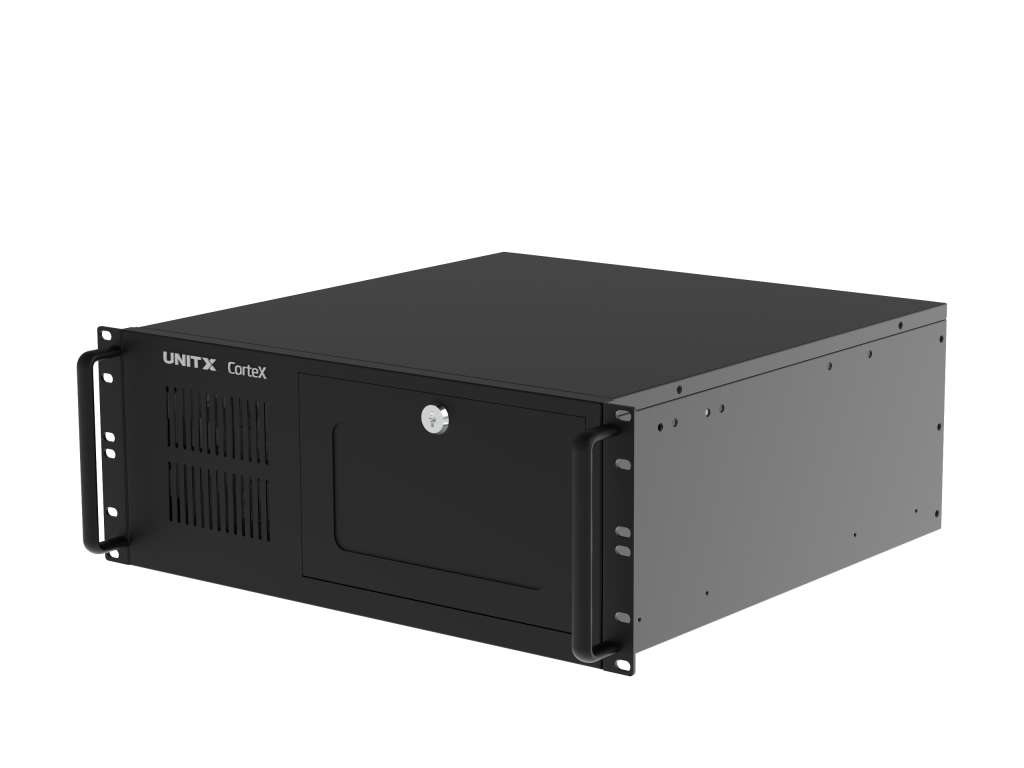
CorteX Datasheet